How Air Purifiers Can Help Reduce Allergy Symptoms
If you’re tired of sneezing your way through life and want to kick those pesky allergy symptoms to the curb, air purifiers might just be your new best friend. These handy devices work like magic to trap all those tiny little particles floating around your home that trigger allergies, giving you some sweet relief. Imagine breathing easier and saying goodbye to all that sniffling! Let’s dive into how these air-cleansing machines can make your space a more comfortable haven.

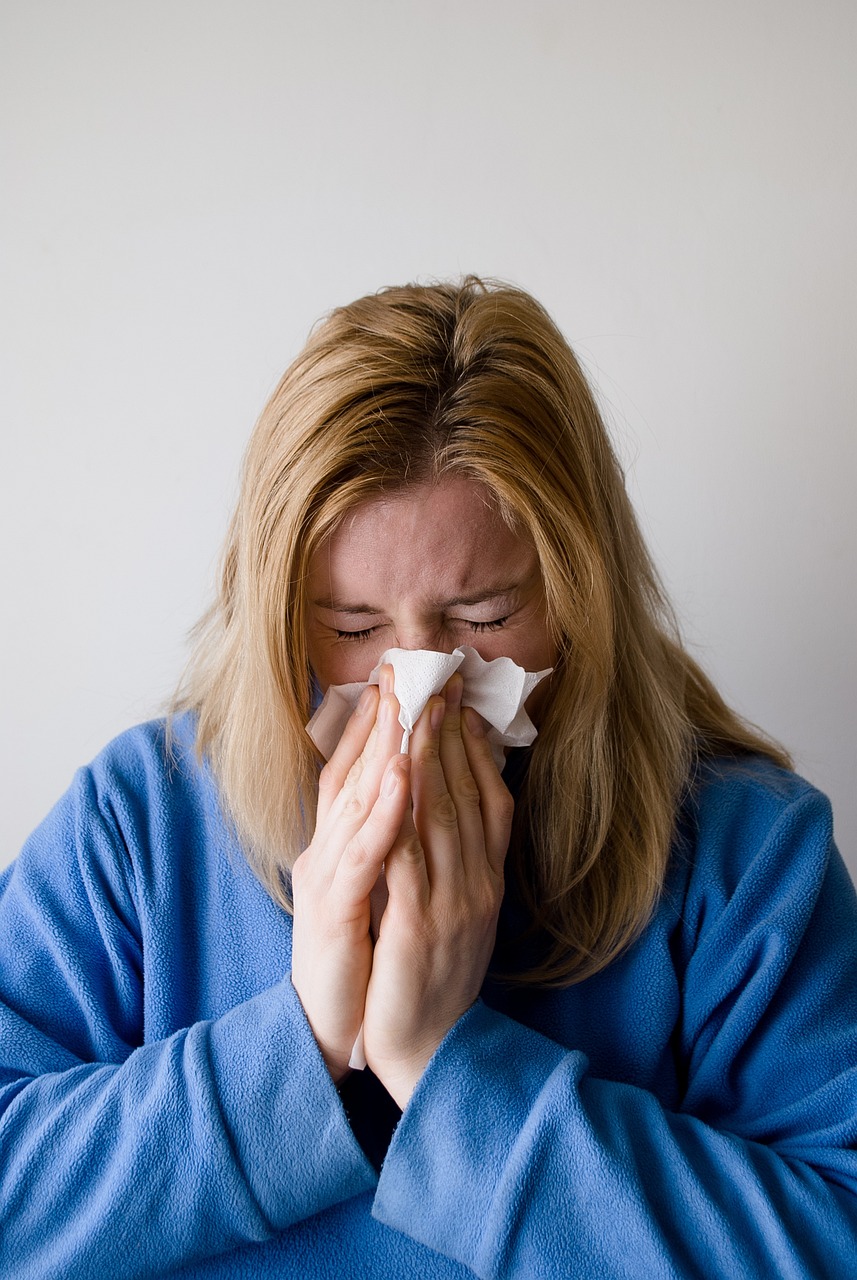
Living with allergies can be a real pain. Whether you’re sneezing, itching, or constantly battling congestion, finding relief is a must. One effective tool in minimizing allergy symptoms is the air purifier. By trapping allergens and improving indoor air quality, these devices can be game-changers. This article dives into how air purifiers work, their benefits, and tips for maximizing their efficiency in your home.
The Basics of Air Purifiers
So, what exactly is an air purifier? In a nutshell, it’s a device designed to filter out pollutants from the air. Most air purifiers use a system of filters, including HEPA filters, which are particularly effective at capturing tiny particles. These filters can trap allergens like pollen, pet dander, dust mites, and mold spores, giving your air a breath of fresh air—literally!
How Do Air Purifiers Help with Allergies?
Studies have shown that using an air purifier can significantly reduce indoor air pollution. When your air is cleaner, it leads to less exposure to allergens. Think about it: a cleaner environment means fewer allergy attacks! Air purifiers work best when combined with other strategies, like regular cleaning and managing humidity levels, creating a holistic approach to allergy management.
What Types of Allergens Can Air Purifiers Target?
Many people wonder, “Do air purifiers actually reduce allergies?” The answer is a resounding yes! These devices can effectively target several common allergens such as:
- Pollen from trees, grasses, and weeds.
- Pet dander from cats, dogs, and other furry friends.
- Dust mites—those pesky little creatures that thrive in bedding and upholstery.
- Mold spores that can grow in damp areas of your home.
The Science Behind HEPA Filters
HEPA stands for High-Efficiency Particulate Air, and these filters are the gold standard for capturing allergens. A true HEPA filter can trap up to 99.97% of particles that are 0.3 microns or larger. This includes most allergens that trigger discomfort. With a HEPA filter, you’re not just reducing the symptoms of discomfort; you’re addressing the root cause by trapping the allergens before they even reach your nose!
Are Air Purifiers Enough?
While air purifiers are fantastic allies in the fight against allergies, they shouldn’t be your only line of defense. It’s crucial to incorporate other healthy habits into your routine. Regular cleaning, using hypoallergenic bedding, and controlling humidity levels can further reduce allergens in your space. When paired with an air purifier, you’ll create a sanctuary from allergies!
Sleeping with an Air Purifier
Many people ask, “Does sleeping with an air purifier help allergies?” The short answer is yes! Not only do air purifiers clean the air while you sleep, but they also help create a restful environment. A good night’s sleep is vital for anyone dealing with allergies. By minimizing nighttime exposure to allergens, you can wake up feeling refreshed and ready to tackle the day.
Best Practices for Using Air Purifiers
To get the most out of your air purifier, here are some tips:
- Placement is Key: Position your air purifier in a central location in your home, ideally in the room where you spend the most time.
- Keep Filters Clean: Regularly check and replace filters as recommended by the manufacturer to maintain optimal performance.
- Combine with Other Allergies Strategies: Use your air purifier alongside other allergy-reducing methods for maximum effectiveness.
Choosing the Best Air Purifier
With countless options available, picking the right air purifier can feel overwhelming. Look for features like HEPA filtration, a quiet operation for nighttime use, and coverage area suited to your space. Consumers often report satisfaction with brands that specifically market their devices for allergy relief. For more information on improving your indoor air quality, check this article: The Benefits of Air Purifiers in Improving Indoor Air Quality.
If you’re struggling with allergies, air purifiers might just be your new best friend! These nifty gadgets work by sucking up all those tiny particles floating around your home that make you sneeze, cough, and feel miserable. Studies have shown that adding an air purifier to your space can really help cut down on indoor air pollution and bring some sweet relief.
One of the coolest features of air purifiers is their HEPA filters, which are designed to trap even the smallest allergens like dust, pet dander, and pollen. Using an air purifier, especially when combined with other allergy-fighting strategies, can seriously amp up your game against allergy symptoms. Just imagine breathing in cleaner air and feeling so much better!
Simply placing an air purifier in your room can make it easier to kick those annoying allergy symptoms to the curb. So, whether you’re dealing with pet allergies, dust mites, or just want a fresher environment, investing in an air purifier could be a smart move!